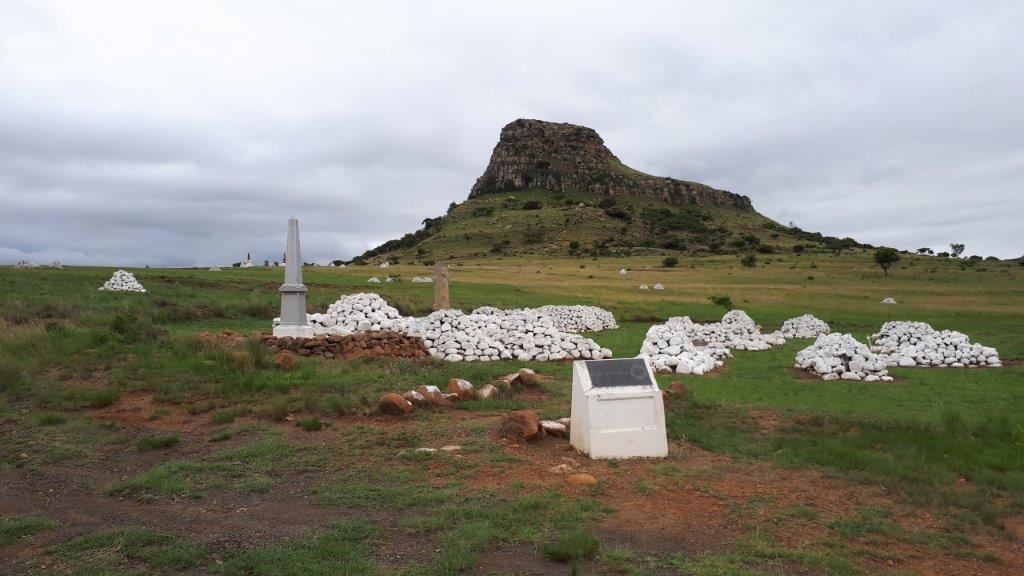
I’m on my way to Isandlawna and was thinking about how, some 140-odd years later, people are still asking how it was that the mighty British army of the time was defeated by the Zulus at the Battle of Isandlwana. The British army was the most powerful army in the world, with artillery, cannons, highly trained infantry, and highly experienced generals trained at Woolwich and Sandhurst using the powerful Martini-Henry rifles that could kill you at 500 yards. How was it that this huge army, the most powerful in the world, was defeated at Isandlwana by the Zulus, who were uneducated and fought barefoot, fighting only with spears and shields?
How were they able to defeat the most powerful army in the world? This was the first time, about the only time, that the British had ever been defeated in the entire colonial era. The answer to that question lies in having a look at the history and the background of the Zulu Nation going right back to the days of the mighty King Shaka.
The Zulu military system
The army that met the British in 1879 was built on the system created by King Shaka some sixty years earlier. Young men served in age regiments (amabutho) loyal to the king, trained hard, and could cover long distances quickly on foot. In battle they fought at close quarters with the short stabbing spear and large cowhide shield, and they attacked in the famous “horns of the buffalo” formation: the horns swept around the enemy’s flanks, the chest attacked head-on, and the loins waited in reserve.
What happened at Isandlwana
On 22 January 1879, Lord Chelmsford split his column and led part of it away from the camp at Isandlwana to search for the Zulu army. The main Zulu force, some 20,000 warriors, was already close by and had not been found. When it was discovered, it attacked at once.
The camp had not been entrenched or protected with a wagon laager, and the British firing line was stretched across a wide front. The horns of the Zulu army closed around it, the line gave way, and the camp was overrun. More than 1,300 of the men defending the camp were killed. Zulu losses were also very heavy.
That same afternoon and night, part of the Zulu reserve attacked the mission station at Rorke’s Drift, where a small garrison held out until morning. Read more about the significance of the Battle of Rorke’s Drift.
Get the full story on the Battlefields Tour.