The battle of Rorke’s Drift remains one of the most famous military engagements in South African history and one of the most remarkable defensive actions ever recorded. Fought during the Anglo-Zulu War of 1879, this dramatic clash saw a small British force defend a remote mission station against a vastly larger Zulu army.
Today, Rorke’s Drift is one of KwaZulu-Natal’s most important historical attractions, drawing visitors from around the world who wish to stand on the very ground where history was made. Combined with nearby battlefields such as Isandlwana, a visit to Rorke’s Drift offers an unforgettable journey into the military history of South Africa and the story of the mighty Zulu Kingdom.
What Was the Battle of Rorke’s Drift?
The battle of Rorke’s Drift took place on 22 and 23 January 1879 during the Anglo-Zulu War between the British Empire and the Zulu Kingdom.
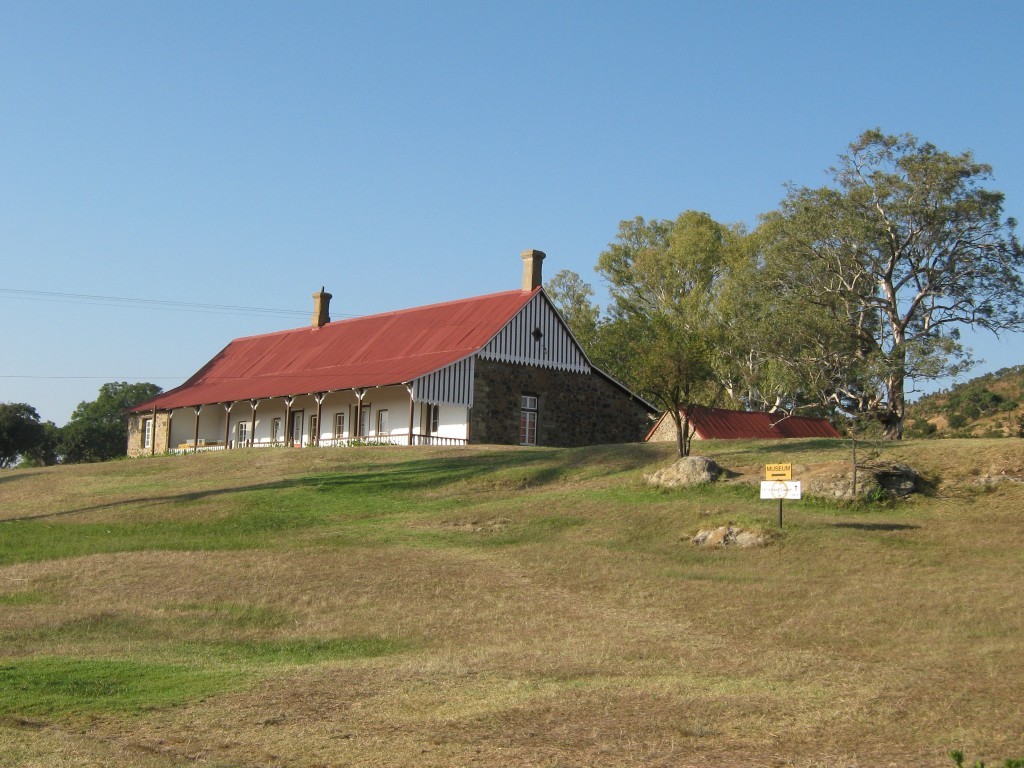
Rorke’s Drift was a small mission station and supply depot situated near the Buffalo River, which formed part of the border between British Natal and Zululand. The station consisted of a hospital, storehouse, and a handful of buildings occupied by a small British garrison.
On the same day as the devastating British defeat at the nearby Battle of Isandlwana, thousands of Zulu warriors advanced towards Rorke’s Drift. The defenders, numbering little more than 150 soldiers and support personnel, quickly fortified the station using mealie bags and biscuit boxes.
Over the course of an intense battle that lasted through the afternoon, evening, and into the early hours of the next morning, the defenders successfully repelled repeated Zulu attacks despite being heavily outnumbered.
The outcome transformed the battle of Rorke’s Drift into one of the most celebrated defensive actions in military history.
The Historical Context of the Battle
To understand the significance of the battle of Rorke’s Drift, it is important to understand the events leading up to it.
During the late nineteenth century, Britain sought to expand its influence in southern Africa. The independent Zulu Kingdom under King Cetshwayo was viewed as an obstacle to British plans for regional control.
In 1878, the British issued demands that were impossible for the Zulu leadership to accept. When these demands were rejected, British forces invaded Zululand in January 1879.
Initially, British commanders expected a quick victory. Instead, they suffered one of the worst defeats in British colonial history at the Battle of Isandlwana, where a Zulu army overwhelmed a much larger British force.
Following this victory, part of the Zulu force moved towards Rorke’s Drift, setting the stage for another dramatic confrontation.
Why the Battle of Rorke’s Drift Was Historically Significant
The battle of Rorke’s Drift holds immense historical importance for several reasons.
A Remarkable Military Defence
Perhaps the most obvious reason is the extraordinary nature of the defence itself.
Facing several thousand Zulu warriors, the defenders used disciplined firepower, careful planning, and determined resistance to hold their position. Military historians continue to study the battle as an example of how preparation and defensive tactics can overcome overwhelming numerical odds.
Restoring British Morale
The battle occurred immediately after the disaster at Isandlwana.
News of the successful defence at Rorke’s Drift helped restore British morale and provided a positive narrative during a period of shock and uncertainty. While Isandlwana highlighted British vulnerability, Rorke’s Drift demonstrated the resilience of the soldiers involved.
Recognition of Courage
The battle of Rorke’s Drift became famous for the bravery displayed by both the defenders and the attacking Zulu warriors.
An unprecedented number of Victoria Crosses, Britain’s highest military honour, were awarded for actions during the battle. The courage shown on both sides has ensured the battle’s lasting place in military history.
A Symbol of the Anglo-Zulu War
Today, Rorke’s Drift serves as one of the defining symbols of the Anglo-Zulu War.
The battle reflects the wider story of conflict between one of Africa’s most powerful indigenous kingdoms and one of the world’s largest empires.
The Zulu Perspective
While the defence of Rorke’s Drift is often viewed through British eyes, it is equally important to appreciate the role of the Zulu warriors.
The Zulu Kingdom possessed a highly organised military system developed under King Shaka and refined by subsequent leaders. The warriors who fought at Rorke’s Drift had already marched long distances and participated in the Battle of Isandlwana earlier that same day.
Their determination, courage, and fighting spirit remain an important part of the story.
A balanced understanding of the battle of Rorke’s Drift recognises the bravery and sacrifices made by both sides.
Visiting Rorke’s Drift Today
Today, visitors can explore the preserved battlefield and gain a deeper understanding of the events that unfolded there.
The site includes reconstructed buildings, memorials, museums, and interpretive displays that help bring the battle to life.
Standing where the hospital once stood, viewing the defensive positions, and walking the battlefield provides a powerful connection to the past that no book or documentary can fully replicate.
The peaceful countryside surrounding Rorke’s Drift contrasts sharply with the violence that occurred there nearly 150 years ago.
The Wonders of a Battlefield Tour
One of the best ways to experience the battle of Rorke’s Drift is through a guided battlefield tour.
History Comes Alive
An experienced guide can transform a collection of buildings and monuments into a vivid story filled with personalities, strategies, and dramatic moments.
Rather than simply seeing the battlefield, visitors gain a true understanding of the events that unfolded.
Understanding the Bigger Picture
A battlefield tour places Rorke’s Drift within the broader context of the Anglo-Zulu War.
Many tours also include visits to nearby sites such as Isandlwana, creating a comprehensive picture of one of the most significant military campaigns in South African history.
Expert Local Knowledge
Professional battlefield guides possess extensive knowledge of the military tactics, historical figures, and cultural background associated with the conflict.
Their insights help visitors appreciate the significance of locations that might otherwise appear ordinary.
An Unforgettable Experience
For history enthusiasts, military historians, photographers, and general travellers alike, a battlefield tour offers a memorable and educational experience.
Few places in South Africa allow visitors to connect with history as directly as the battlefields of KwaZulu-Natal.
Explore Rorke’s Drift with Daytours KZN
The battle of Rorke’s Drift is more than a military engagement; it is a story of courage, determination, leadership, and cultural conflict that helped shape South African history.
A visit to this iconic battlefield offers the opportunity to walk in the footsteps of soldiers and warriors, gain a deeper understanding of the Anglo-Zulu War, and appreciate the remarkable events that unfolded in January 1879.
With Daytours KZN, you can experience the history of Rorke’s Drift through expertly guided battlefield tours that bring the past to life. Whether you are a dedicated military history enthusiast or simply curious about South Africa’s fascinating heritage, a visit to Rorke’s Drift is an experience you will never forget.
FAQs
Why did Zulus lose at Rorke’s Drift?
The Zulu attackers faced a heavily fortified position defended by disciplined soldiers using modern rifles. Despite their courage and numerical advantage, repeated assaults against prepared defences resulted in heavy casualties, making it difficult to break through the British lines.
How many soldiers died at Rorke’s Drift?
The British defenders suffered 17 fatalities during the battle, while many more were wounded. Zulu casualties were considerably higher, although exact figures remain uncertain.
Who was the real hero of Rorke’s Drift?
There is no single hero of the battle of Rorke’s Drift. Numerous defenders displayed exceptional bravery, including officers, ordinary soldiers, and medical personnel. Many historians also recognise the courage shown by the Zulu warriors who attacked under extremely difficult conditions.
What happened to the survivors of Rorke’s Drift?
The surviving defenders remained part of the British military campaign in Zululand. Many returned to Britain after the war, while some continued their military careers. Their actions at Rorke’s Drift earned lasting recognition and became an important part of British military history.