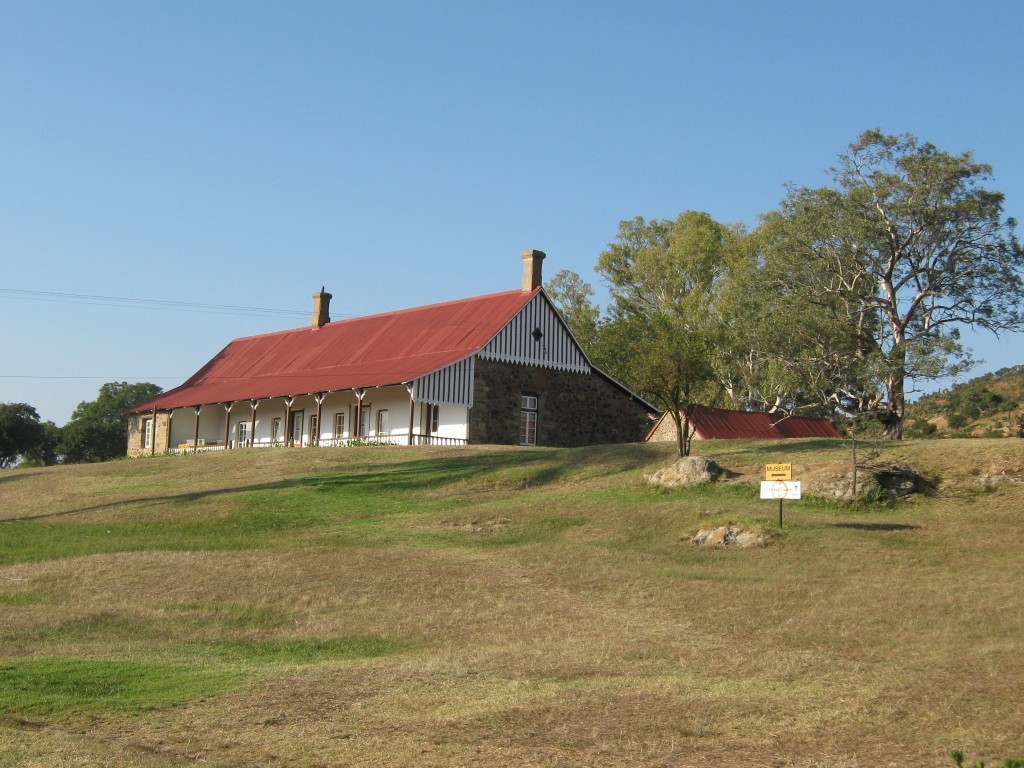
On the night of 22 January 1879, a small British garrison at a remote mission station on the Buffalo River held off thousands of Zulu warriors. The defence of Rorke’s Drift became one of the most famous actions in British military history, and the place where it happened is now home to the Rorke’s Drift Museum.
This guide covers where the museum is, what you’ll see, and how to get the most out of a visit. For the full story of the fight itself, read the significance of the Battle of Rorke’s Drift.
Where is the Rorke’s Drift Museum?
Rorke’s Drift lies on the Buffalo River in northern KwaZulu-Natal, about 46 km south-east of Dundee on the Battlefields Route. In 1879 the river was the border between the Colony of Natal and the Zulu kingdom, and the “drift” was a crossing point. From Dundee, take the R33 towards Greytown and follow the signs.
The Isandlwana battlefield is about 15 km away, so most visitors see both on the same day. From Durban, allow roughly four hours each way by road.
A short history of the site
The site is named after James Rorke, an Irish-born trader who settled here in the late 1840s and built a house and store beside the crossing. After his death in 1875 the property passed to a Swedish mission. When the British invaded Zululand in January 1879, Lord Chelmsford’s column crossed the river here, and the mission buildings were turned into a supply depot and field hospital.
On 22 January, hours after the British defeat at Isandlwana, a Zulu force of 3,000 to 4,000 warriors under Prince Dabulamanzi kaMpande attacked the station. Around 150 defenders, many of them patients in the hospital, built barricades from mealie bags and biscuit boxes and fought through the night. By morning the Zulu force had withdrawn. Seventeen of the defenders were killed, while Zulu losses are estimated at around 500.
Eleven Victoria Crosses were awarded to the defenders of Rorke’s Drift.
What you’ll see at the Rorke’s Drift Museum
- The museum – on the site of the mission hospital, with life-size figures and displays that recreate scenes from the fight, a diorama of the battle, and artefacts from the Anglo-Zulu War.
- The battlefield – you can walk the ground where the barricades stood and see how small the defended area really was.
- Cemeteries and memorials – the British cemetery and memorial, a memorial to the Zulu warriors who fell, and the grave of James Rorke.
- Shiyane hill – the hill behind the mission station, from which Zulu marksmen fired down on the defenders.
The Rorke’s Drift Art and Craft Centre
Rorke’s Drift is also known for something very different: the Evangelical Lutheran Church Art and Craft Centre, which moved here in 1963. It became one of the most influential art schools in South Africa during the 1960s and 1970s, known especially for its weaving and printmaking, and is well worth a stop.
Tips for visiting
- Allow time. Plan on at least an hour and a half at Rorke’s Drift, more if you want to read every display.
- Pair it with Isandlwana. The two battles happened on the same day, and seeing them together makes both easier to understand.
- Check opening hours before you go. Hours and entrance fees change, and the site closes in the late afternoon.
- Bring a hat and water. The battlefields are exposed and summer days are hot.
Why visit with a battlefields guide?
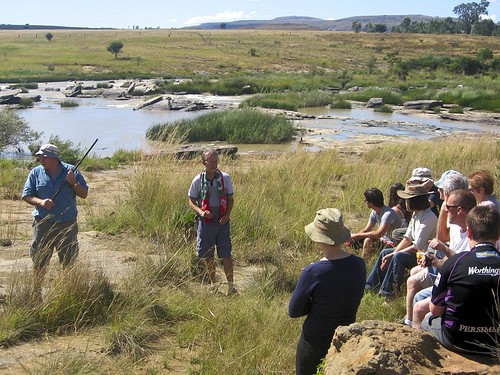
The museum tells the story well, but the battlefield makes far more sense when someone walks it with you and explains what happened where. Don Botterill of Daytours KZN is a member of the Battlefields Guides Association, and his great-grandfather served under Lord Chelmsford during the Anglo-Zulu War. His Battlefields Tour of KwaZulu-Natal visits Isandlwana and Rorke’s Drift, including the reconstructed store and hospital and the museum.
Get in touch to plan a private battlefields tour from Durban.
Rorke’s Drift Museum FAQs
How far is Rorke’s Drift from Durban?
Roughly four hours by road. Most visitors from Durban make it a long day trip or stay overnight in the Battlefields area.
Can you visit Rorke’s Drift and Isandlwana on the same day?
Yes. They are about 15 km apart and the battles were fought on the same day, 22 January 1879, so they are usually visited together.
How many Victoria Crosses were awarded at Rorke’s Drift?
Eleven, including those awarded to Lieutenants Chard and Bromhead, who commanded the defence.
Is the Rorke’s Drift Museum open every day?
It is generally open daily, but hours vary between weekdays and weekends. Check before you travel, or let your guide plan the timing.